5 Factors That Shape How Dogs Move
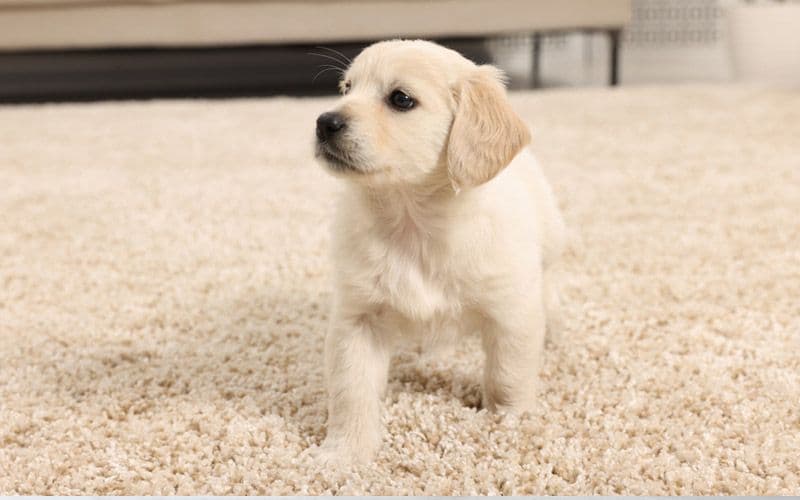
Understand how dogs move by exploring five key factors, including structure, development, coordination, environment, and mental engagement.
What Shapes How Dogs Move
Movement in dogs is not random. It reflects how the body is built, how it develops, and how it responds to the world. Understanding these influences helps create a clearer picture of why dogs move the way they do.
This article highlights five core factors that shape canine movement.
Why These Factors Matter
These five factors do not work in isolation. They interact constantly, shaping how each dog moves in real life.
Observing movement through this lens helps shift the focus from “what it looks like” to “why it happens.” That perspective supports more informed understanding across all stages of a dog’s life.
Structure and Conformation
A dog’s physical structure sets the foundation for movement. Bone length, joint angles, and overall proportions influence stride length, balance, and efficiency.
Some dogs are built for speed, while others are built for stability or endurance. These differences affect how movement looks and how force travels through the body.
Structure does not determine everything, but it creates the starting point.
Growth and Development
Movement changes over time. Puppies move differently than adult dogs, and adult dogs move differently than seniors.
During growth, bones, joints, and soft tissues are still developing. This affects coordination, strength, and stability. As dogs age, changes in muscle mass, joint health, and flexibility also influence how they move.
Understanding these changes is central to interpreting movement across life stages.
Related: Dog Physical Development Across Life Stages
Muscle Strength and Coordination
Movement depends on how well muscles work together. Strength supports joint stability, while coordination allows smooth, controlled motion.
Dogs with better coordination tend to move more efficiently. They show smoother transitions, better balance, and more consistent patterns.
Coordination is closely tied to proprioception, the body’s ability to sense position and movement.
Related: Balance, Coordination, and Proprioception in Dogs
Environment and Surfaces
Where a dog lives and moves has a direct impact on movement patterns.
Surfaces such as grass, hardwood, carpet, or uneven terrain each create different demands. Over time, repeated exposure to certain surfaces can influence balance, stability, and movement habits.
Space also matters. Dogs with limited space may move differently than those with access to varied environments.
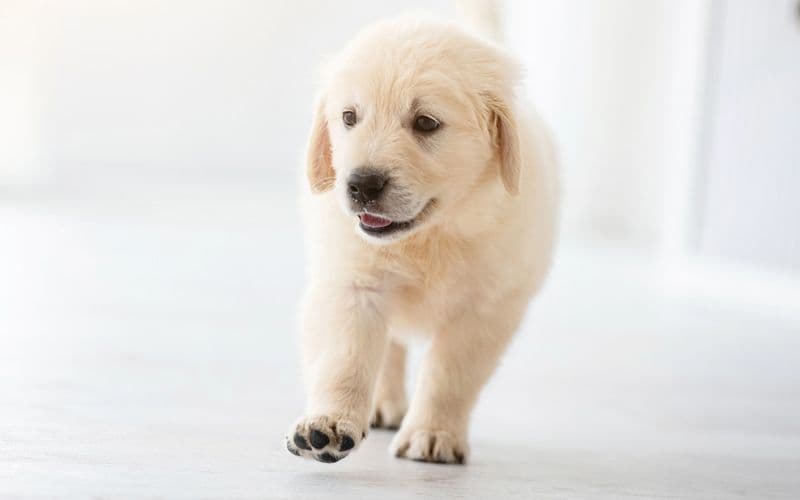
Mental Engagement and Behaviour
Movement is not only physical. It is influenced by attention, confidence, and decision-making.
A focused, engaged dog often moves with more control. In contrast, a distracted or uncertain dog may show inconsistent or inefficient movement patterns.
Mental state can affect posture, speed, and coordination, linking behaviour directly to physical performance.
References
- 📚 [1]Zink, M. C. & Dyke, J. B. (2025). Canine Sports Medicine and Rehabilitation. Wiley-Blackwell.
- 🌐 [2]Levine, D., Millis, D. L., & Marcellin-Little, D. J. (2014). Canine Rehabilitation and Physical Therapy. Elsevier.